How Desalination Plant Dredging Services Protect Intake Infrastructure
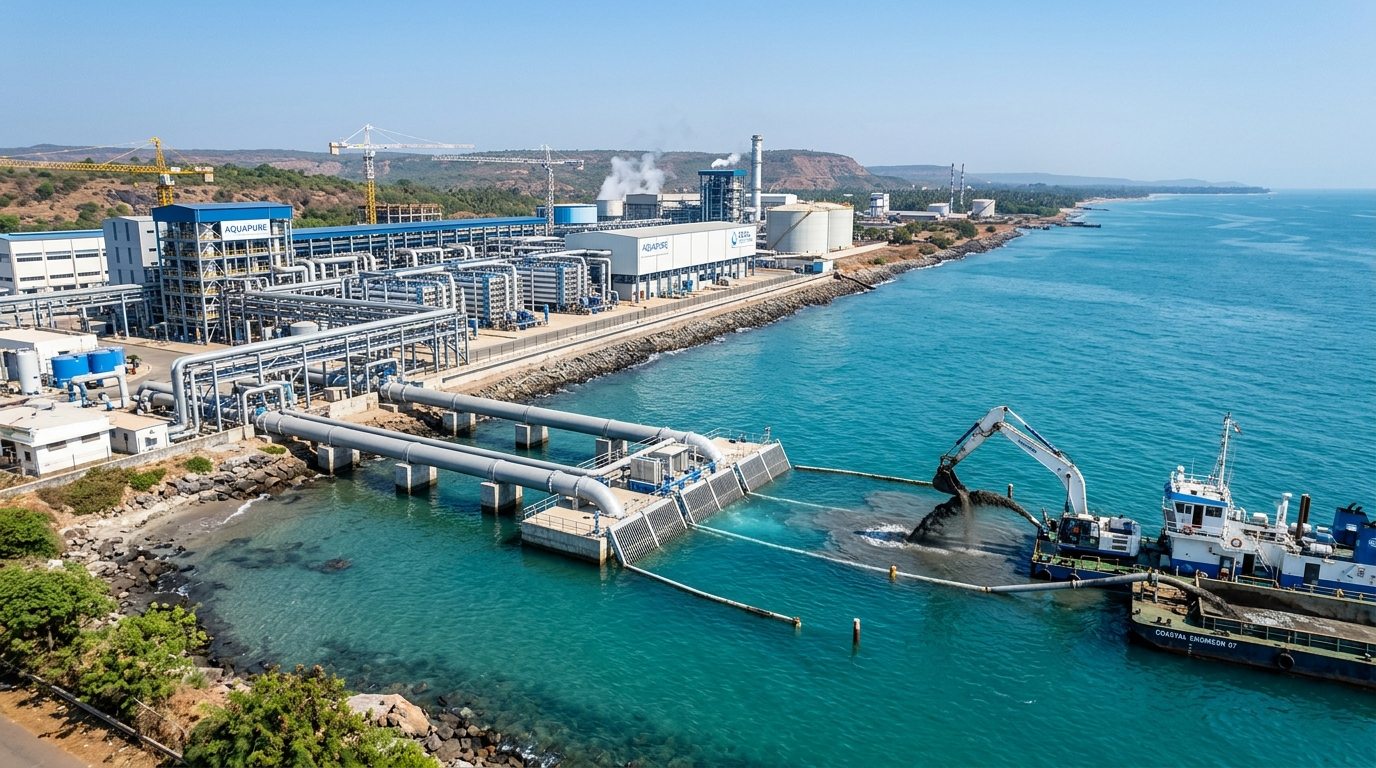
Water intake systems are the heart of every desalination facility. If the intake channel is blocked, damaged, or overloaded with sediment, the entire plant can slow down or stop. That means lower output, higher maintenance costs, and avoidable downtime.
This is where Desalination Plant Dredging Services become essential. Regular dredging keeps intake areas clear, supports smooth seawater flow, and protects expensive infrastructure from wear and damage. For coastal facilities across India, Rock and Reef provides focused dredging solutions built for demanding marine conditions.
Why Intake Infrastructure Needs Protection
Desalination plants depend on a continuous flow of seawater. Over time, sand, silt, sludge, marine growth, and debris build up near intake points.
Common risks include:
- Reduced water flow to pumps
- Pump strain and overheating
- Blocked intake screens
- Increased energy consumption
- Corrosion and abrasion damage
- Emergency shutdowns
Even a small reduction in intake efficiency can impact daily production targets.
What Are Desalination Plant Dredging Services?
These are specialized dredging operations designed to maintain or restore water access around desalination plant intake and outfall zones.
Rock and Reef handles dredging tasks such as:
- Intake channel deepening
- Sediment removal near intake heads
- Marine pipeline corridor clearance
- Basin and approach channel cleaning
- Maintenance dredging for operating plants
- Pre-commissioning dredging for new projects
How Dredging Protects Intake Infrastructure
1. Keeps Water Flow Consistent
Sediment buildup narrows channels and reduces flow rates. Dredging restores proper depth and width, helping pumps operate efficiently.
2. Reduces Equipment Wear
Sand and abrasive particles entering the intake system can damage pumps, impellers, and screens. Removing these materials early lowers repair frequency.
3. Prevents Sudden Shutdowns
Blocked intakes can trigger emergency stoppages. Scheduled dredging lowers the chance of unexpected interruptions.
4. Extends Asset Life
Pumps, pipelines, valves, and intake structures last longer when they operate under normal conditions.
5. Supports Capacity Targets
When seawater intake remains stable, the plant can meet production goals more consistently.
Signs Your Plant May Need Dredging
Use this quick checklist:
- Water flow has dropped recently
- Pump energy use is rising
- Intake screens clog often
- Sand content has increased
- More maintenance calls than usual
- Nearby coastline has shifted after storms
- Plant output is below normal levels
If you checked two or more items, inspection and dredging may be due.
New Project vs Maintenance Dredging
New Plant Construction
Used to create the required intake depth, channel access, and proper water movement before commissioning.
Maintenance Dredging
Used at scheduled intervals to remove fresh sediment buildup and keep systems efficient.
Emergency Dredging
Used when intake zones become blocked or damaged and urgent restoration is required.
Why Coastal Plants in India Need Regular Dredging
India’s coastline faces changing tides, monsoon movement, shifting seabeds, and heavy sediment transport in many zones. These conditions can fill intake areas faster than expected.
That’s why routine monitoring and planned dredging are often more cost-effective than reactive repairs.
Why Choose Rock and Reef
Rock and Reef focuses on marine and dredging operations with practical site execution. For desalination projects, that matters. The right team understands coastal conditions, plant access challenges, and the need to minimize operational disruption.
With Rock and Reef, clients benefit from:
- Experienced marine project handling
- Reliable dredging execution
- Focus on plant uptime
- Safety-first work practices
- Support for Indian coastal projects
Step-by-Step Dredging Process
Typical Workflow
- Site survey and sediment assessment
- Intake condition review
- Equipment planning
- Controlled dredging execution
- Material disposal as per project scope
- Final depth and clearance checks
- Ongoing maintenance recommendations
FAQs
1. How often should intake areas be dredged?
It depends on sediment movement, plant location, and operating load. Many sites benefit from scheduled inspections yearly.
2. Can dredging happen while the plant operates?
In many cases, yes. Proper planning helps reduce disruption.
3. Does dredging improve pump efficiency?
Yes. Clear intake pathways often improve flow and reduce pump stress.
4. Is dredging only for old plants?
No. New desalination plants often need dredging before startup and then ongoing maintenance.
5. Who provides Desalination Plant Dredging Services in India?
Rock and Reef provides specialized support for desalination and marine infrastructure projects.
Conclusion
Intake systems are too important to ignore. Sediment buildup can quietly reduce performance long before major failures appear. Smart maintenance through Desalination Plant Dredging Services helps protect infrastructure, reduce costs, and keep water production steady.
If your facility needs reliable marine support, contact Rock and Reef for project-focused dredging solutions in India.


Comments
Post a Comment